
Strategic Context: The Vision for a Connected Health Ecosystem
The Health System Enhancement Project (HSEP) represents a definitive turning point in the modernization of Sri Lanka’s public health infrastructure. This initiative centers on the deployment of "OpenMRS Cluster Information Systems" (OpenMRS Cluster IS), a strategic architectural shift designed to transition the state health sector from fragmented, paper-based workflows toward a unified digital ecosystem. By replacing traditional manual registers with an integrated electronic health record (EHR) framework, the project addresses the systemic inefficiencies of data silos, ensuring that patient information is no longer locked in physical ledgers but fluidly accessible across a coordinated network of facilities. In this landmark partnership, Science Land IT (Pvt) Ltd was mandated to design and implement a scalable system solution aimed at fundamentally enhancing the quality, efficiency, and continuity of care. The strategic objective was to provide clinicians and administrators with actionable, real-time data, thereby mitigating clinical risk and optimizing resource orchestration at the provincial level. This transformation was operationalized through a rigorous implementation phase across two primary district health clusters, establishing a blueprint for national digital health maturity.
The Architecture of Care: Defining the Cluster IS Solution
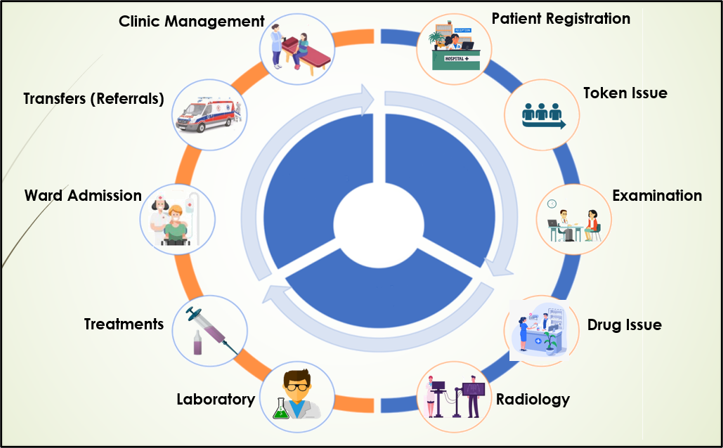
The success of the OpenMRS Cluster IS is rooted in its modular architecture, specifically engineered to meet the multifaceted operational demands of a hospital cluster. By integrating clinical, diagnostic, and administrative functions into a single "interoperability hub," the system removes the clinical friction inherent in manual transitions of care. This design ensures that every patient touchpoint—from initial triage to final pharmaceutical dispensing—is captured in a structured format that supports both longitudinal care and institutional reporting. The system encompasses 14+ specialized modules, which can be categorized by their strategic impact on health delivery:
- Front-End & Clinical Care: Patient Registration, OPD Module, Clinic Module, and Queue Management System.
- Strategic Impact: By automating the OPD and Clinic workflows, we effectively shift the clinical burden from administrative data entry to patient-facing care, increasing the "Effective Clinical Hours" available per physician.
- Diagnostic & Support Services: Laboratory Module, Radiology Module, and Procedure Room.
- Strategic Impact: Digitizing diagnostics reduces "time-to-decision." Integration ensures that MLTs and Radiographers spend less time on manual reporting and more on high-volume throughput.
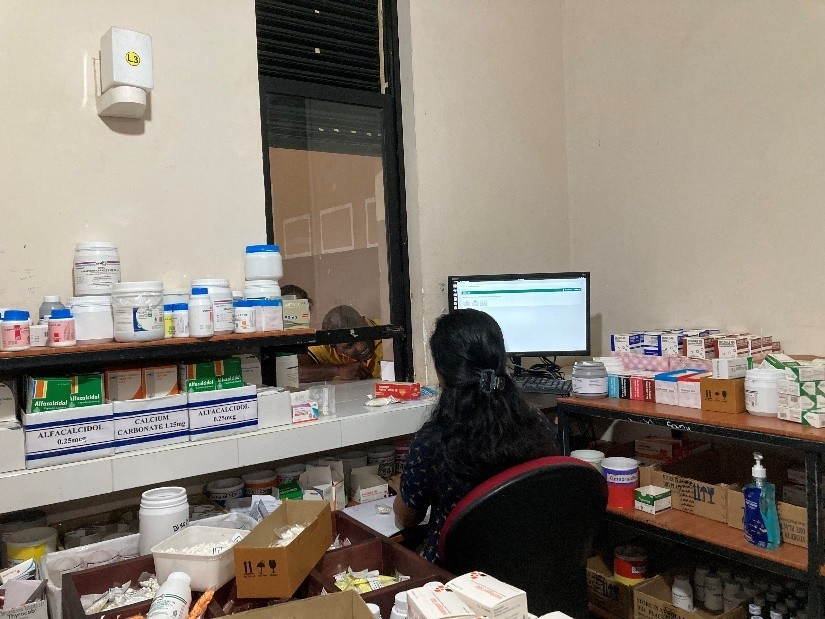
- Pharmacy & Resource Management: Pharmacy Module, Drug Stores and In-Ward Module.
- Strategic Impact: Real-time inventory visibility prevents stock-outs and enables predictive drug management, ensuring medication safety through closed-loop digital prescriptions.
- Administrative & Public Health: Dashboard, MOH Notifications, Cluster Master Patient Index (MPI), and Enterprise Service Bus (ESB).
- Strategic Impact: Provides the "Executive View" required for provincial health authorities to manage population health trends and institutional performance.
- Referral Management and Resource Sharing : Clinic Referral, Ward Referral and Resource Sharing
- Strategic Impact : This process allows health facilities to manage referral to consume the sharable services provided by other health facilities. The system provides access to cluster health facility to request an appointment from apex health facility for scheduling shared services (referral management). Also system provides facility to share patient health record including laboratory reports and imaging services such as CT/X-ray/Ultrasound (as sharable files) to service providers across cluster facilities in continuing medical care and follow-up. This can be fulfilled even without the patient presence.
The robustness of this solution is underpinned by a resilient core infrastructure that serves as the foundation for data interoperability.
Core System Infrastructure
Cluster Master Patient Index (MPI) - Centralized Identity Registry
Establishes a unique, life-long patient identity across all cluster nodes, eliminating duplicate records and ensuring patient safety during cross-facility referrals.
Dambulla Cluster Server - http://dmb.clusterhis.health.gov.lk
A localized, high-performance server environment ensuring data residency and high availability for the Dambulla health network.
Thambuttegama Cluster Server - http://tmb.clusterhis.health.gov.lk
A dedicated architecture optimized for the high-traffic demands and clinical data synchronization of the Thambuththegama Cluster
With the architectural foundation secured, the project proceeded to the physical operationalization across the diverse logistical landscapes of the North Central and Central Provinces.
Regional Footprint: Operationalizing the Thambththegama and Dambulla Clusters
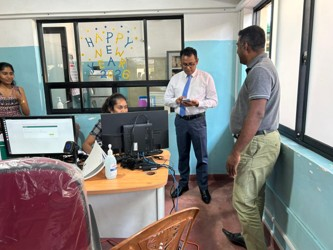
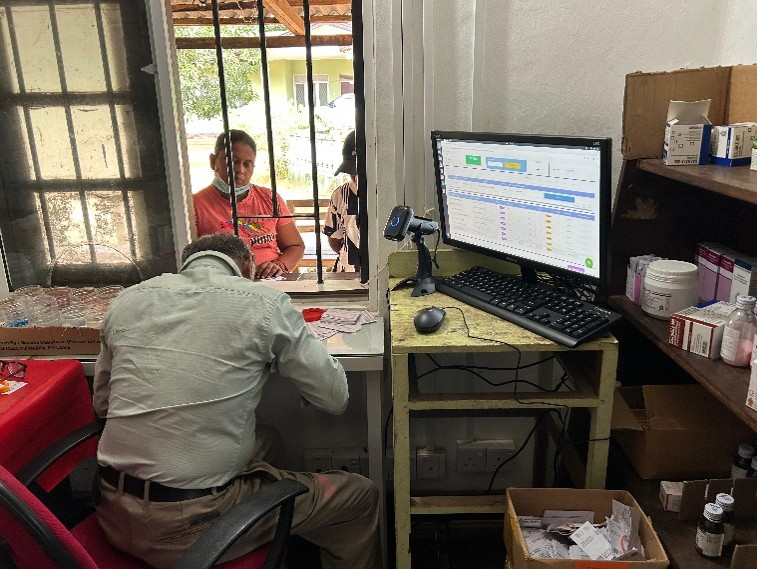
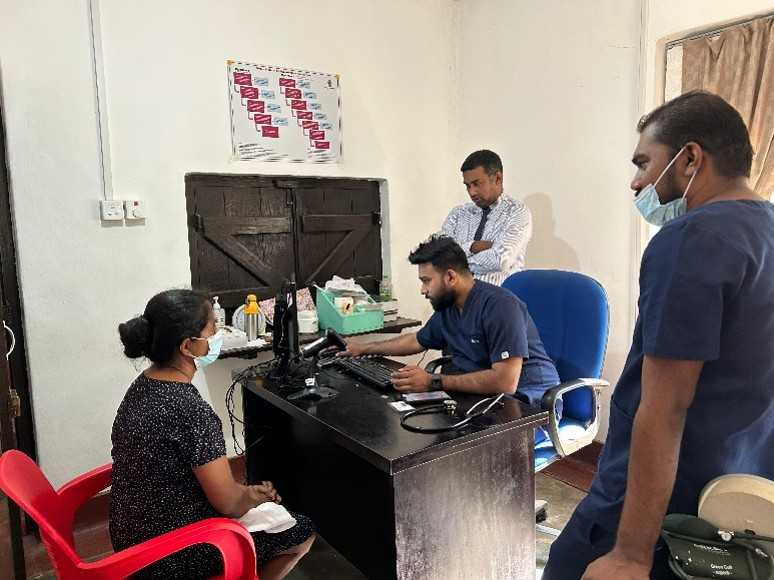
Navigating the geographical complexity of 9+ districts required a tiered implementation strategy capable of supporting various facility types, from large-scale Base Hospitals to remote Primary Medical Care Units (PMCUs) and Medical Officer of Health (MOH) offices. This regional footprint ensures that the digital health network remains patient-centric, following citizens from primary preventive care to specialized hospital consultations.
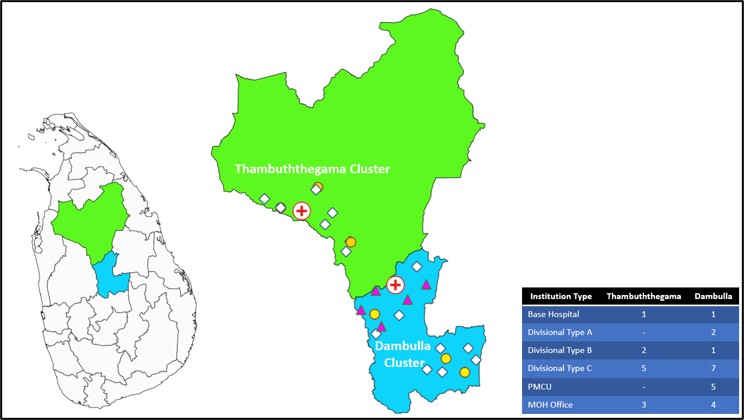
The following institutions are now active participants in the digital ecosystem:
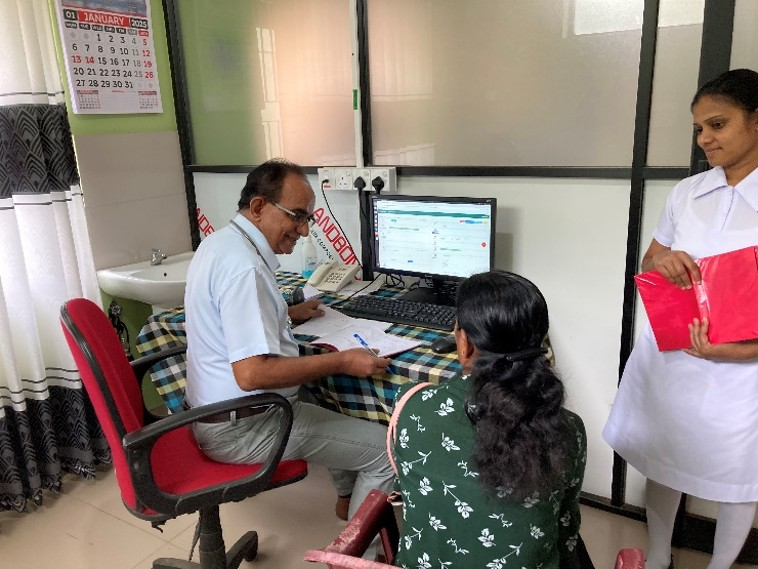
Thambuththegama Cluster
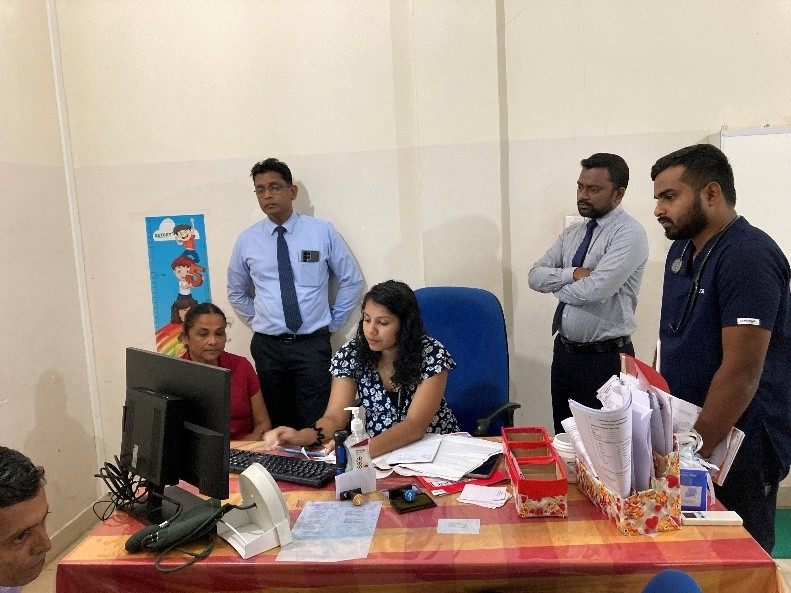
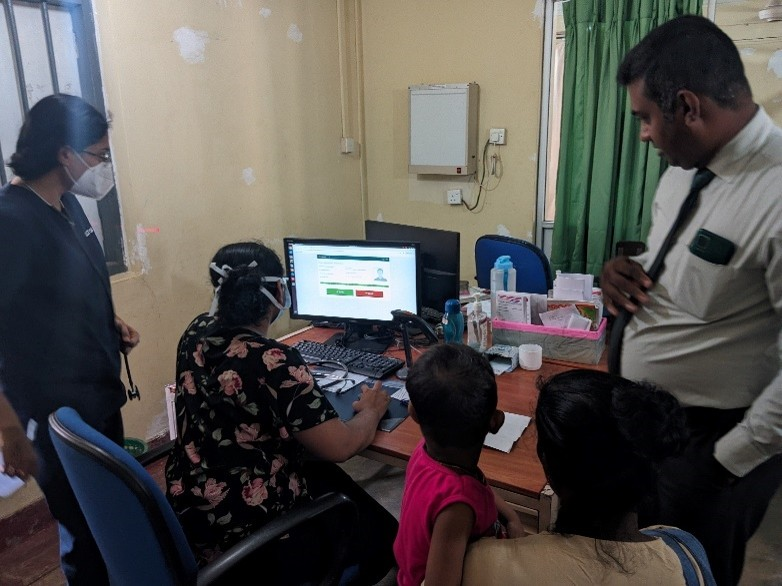
- Base Hospital Thambuththegama (High-Traffic Hub)
- Divisional Hospitals: Galnewa, Eppawala, Thalawa, Rajanganaya Tract 5, Negampaha.
- MOH Offices: Thalawa, Galnewa, Rajanganaya.
 |
 |
 |
 |
 |
 |
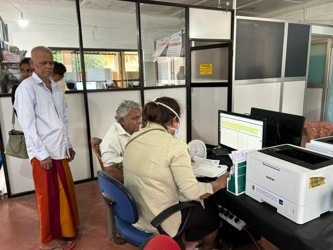
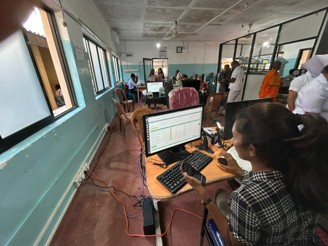
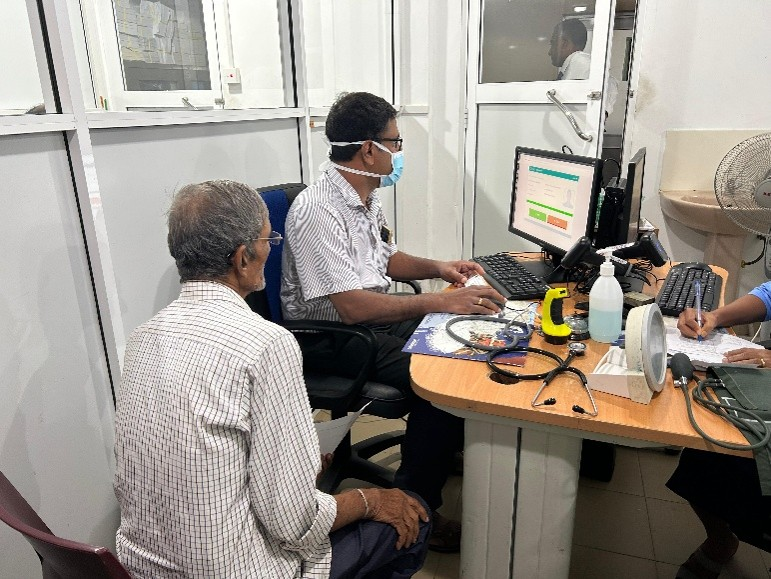
Dambulla Cluster
- Base Hospital Dambulla (High-Traffic Hub)
- Divisional Hospitals: Sigiriya, Laggala, Haththota Amuna, Hettipola, Maraka, Madipola, Dewahuwa.
- Primary Medical Care Units (PMCUs): Aluthwewa, Wahakotte, Kalundewa, Wewalawewa.
- MOH Offices: Dambulla, Galewela, Laggala, Wilgamuwa.
 |
 |
 |
 |
 |
 |
While physical deployment is the first step, the system’s true clinical value is unlocked through deep technical integration with diagnostic medical devices.
Technical Milestones: Enhancing Diagnostic and Radiological Efficiency
A core pillar of our digital transformation strategy was the elimination of the "human-to-system" bottleneck through automated device integration. By allowing diagnostic hardware to communicate directly with the Cluster IS, we have significantly accelerated the diagnostic cycle and improved the precision of clinical decision-making.
PACS Integration
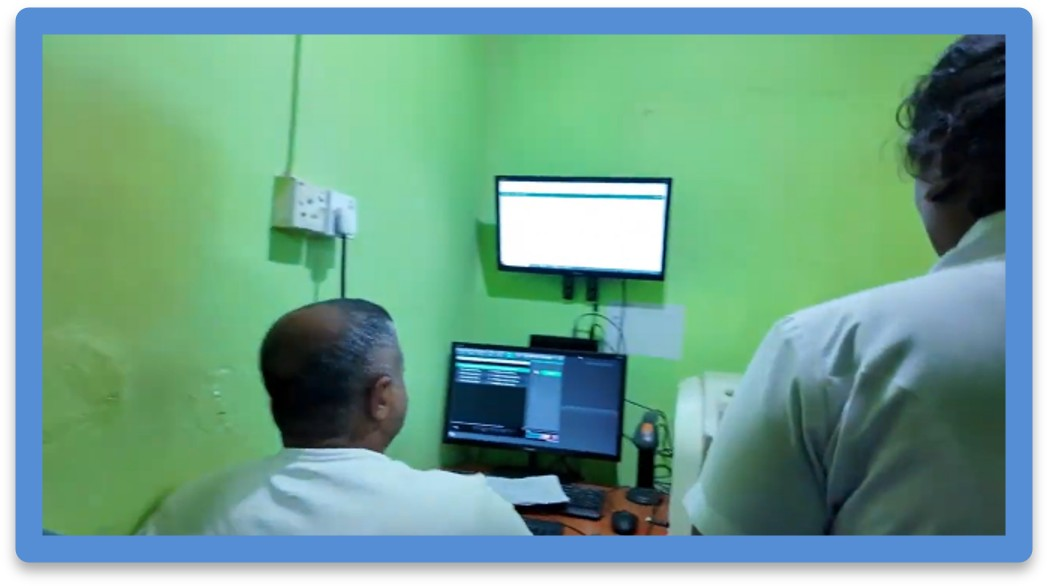
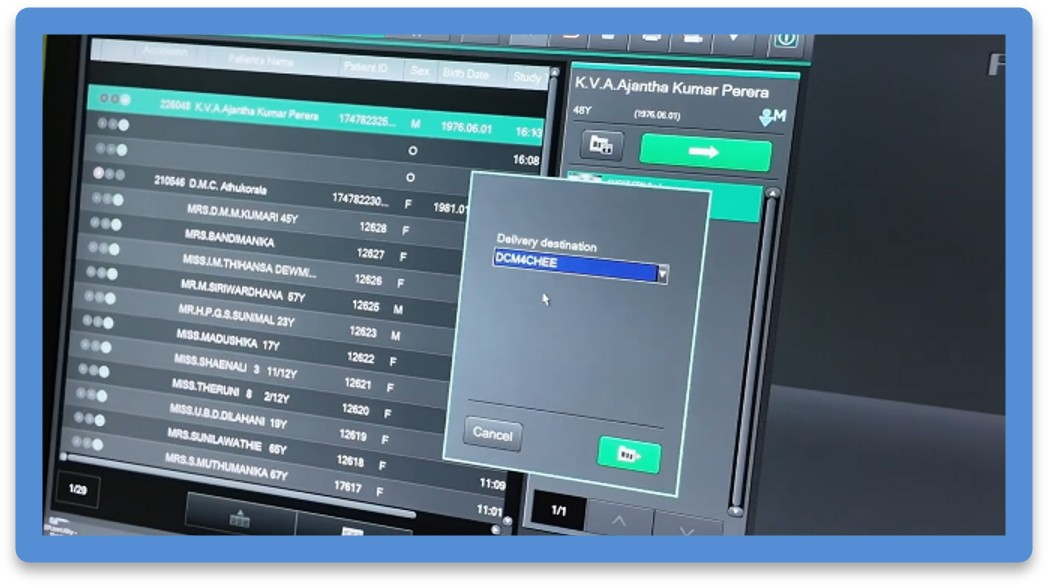
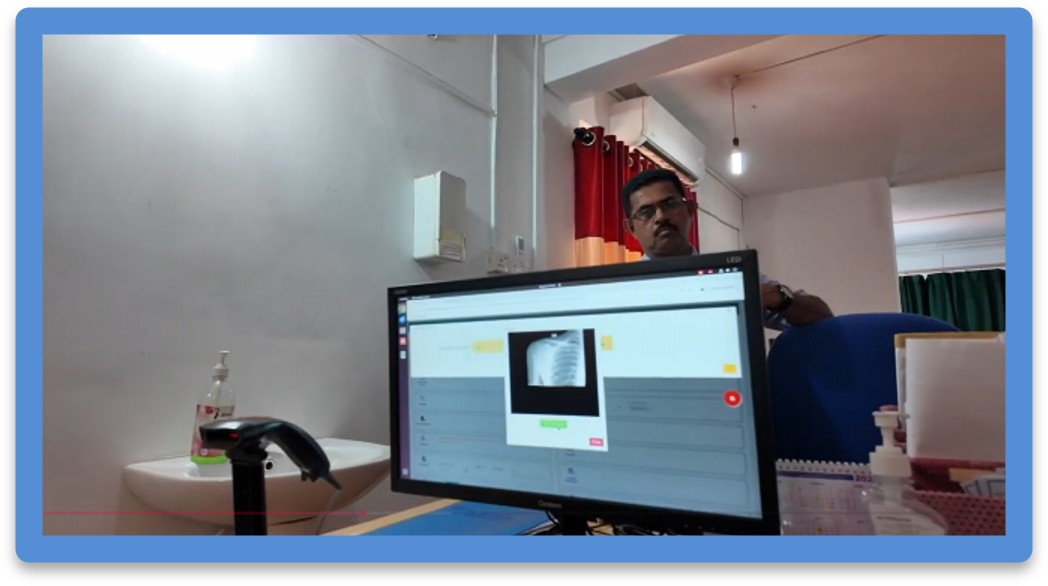
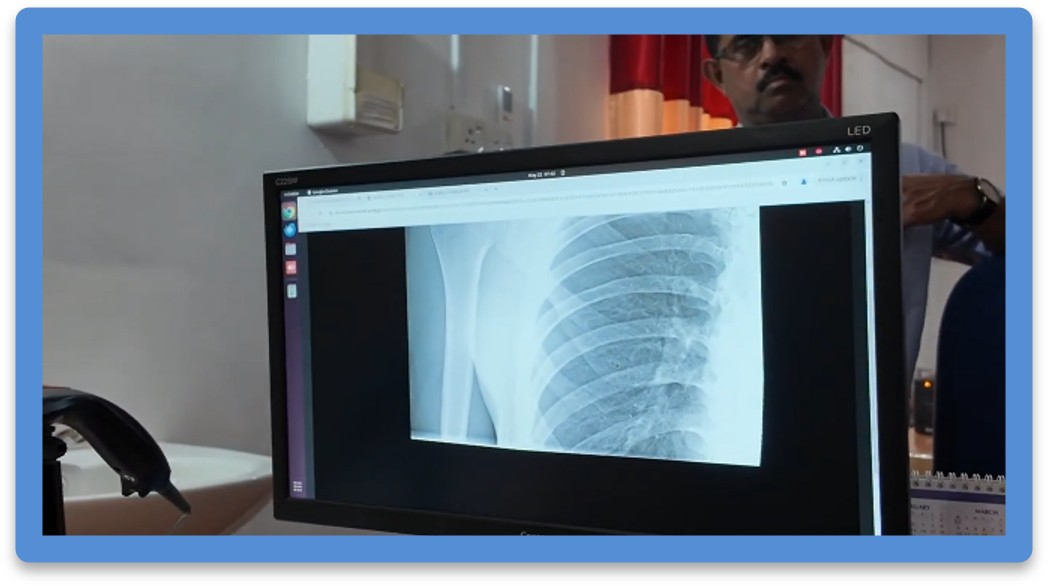
The integration of the Picture Archiving and Communication System (PACS) at Thambuththegama Base Hospital serves as a benchmark for radiological efficiency. By routing high-resolution imagery through the ESB, the system provides:
Instantaneous availability of radiological images to clinicians at the point of care.
- Enhanced diagnostic speed by removing the need for physical film transport or manual data retrieval.
Improved longitudinal tracking of patient radiological history.
 |
 |
 |
 |
Laboratory Analyzer Integration
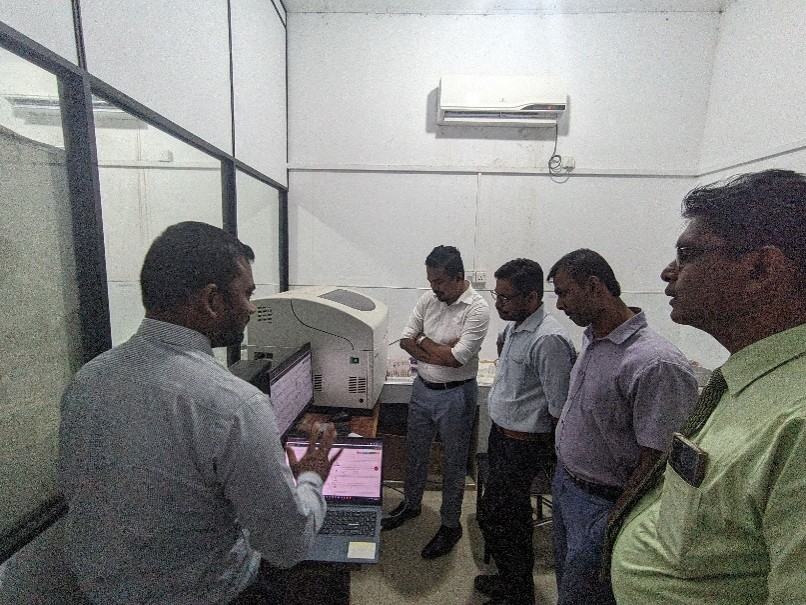
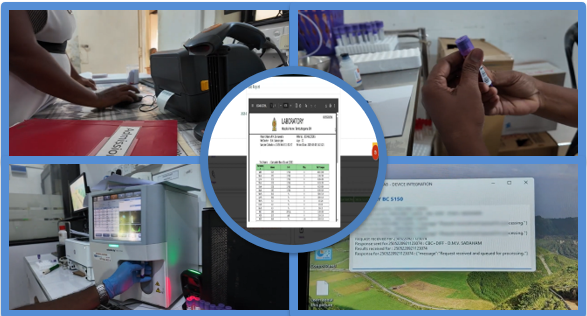
A major technical milestone was the integration of the Mindray BC–5150, a sophisticated 5-Part Hematology Analyzer into the Laboratory module by utilizing HL7-compatible protocols and RS-232 serial communication. The devices are now fully integrated into the Laboratory Module.
 |
Strategic Benefits of Automated Laboratory Integration:
Elimination of Manual Transcription: Automatic transmission of Full Blood Count (FBC) parameters directly from the device to the Cluster IS, removing the risk of human error.
- Real-Time Result Availability: Clinicians can view CBC parameters and WBC differentials the moment the sample is processed, dramatically reducing turnaround times.
- Electronic Record Integrity: Establishes a permanent, audited digital record of diagnostic results that is accessible across the entire cluster network. Technical tools, however, are only as effective as the human capital operating them; thus, a parallel focus was placed on sustainable knowledge transfer.
Human Capital and Knowledge Transfer: Bridging the Digital Divide
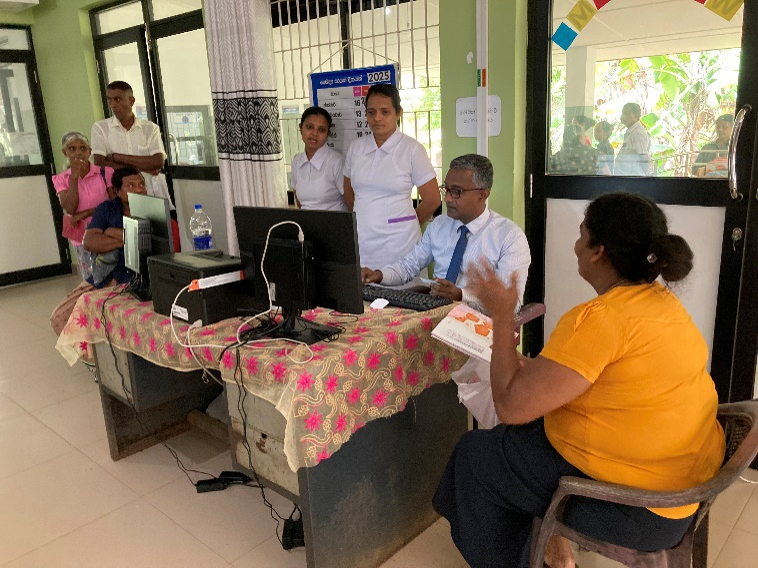
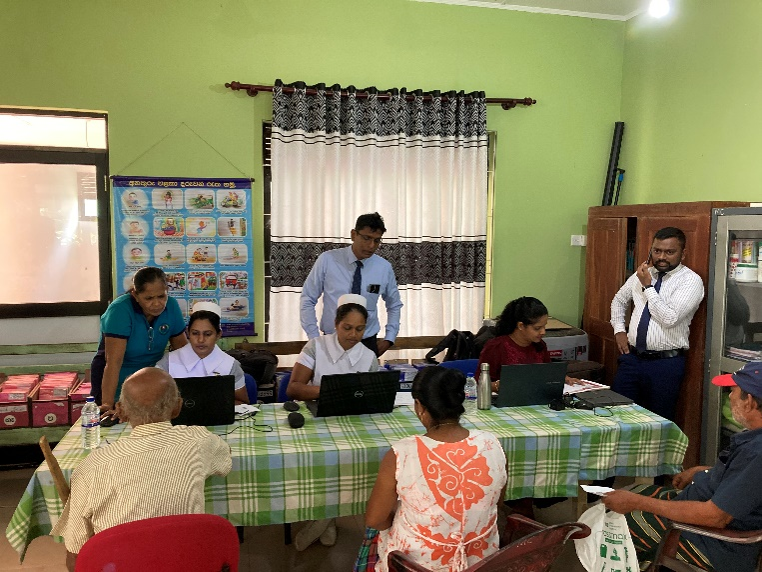
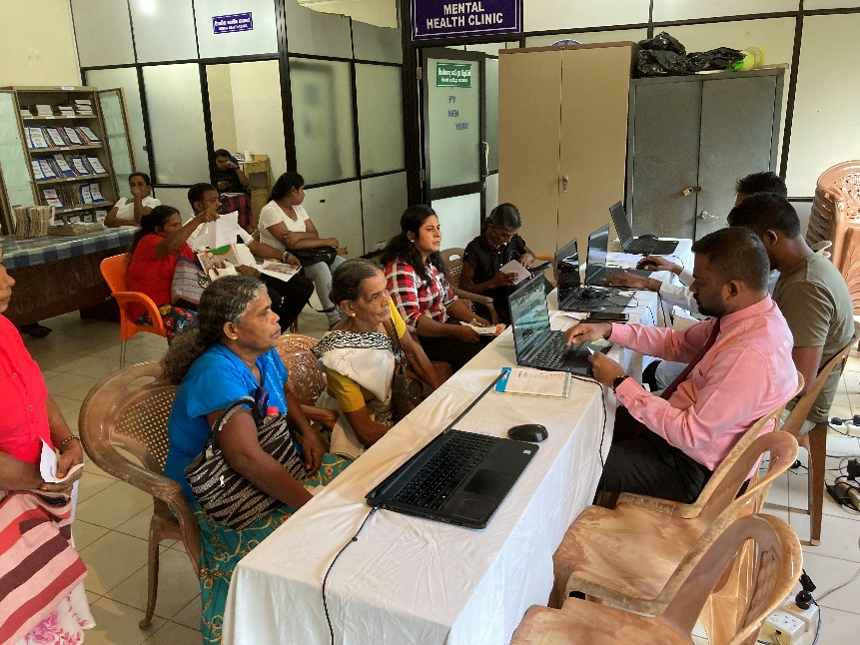
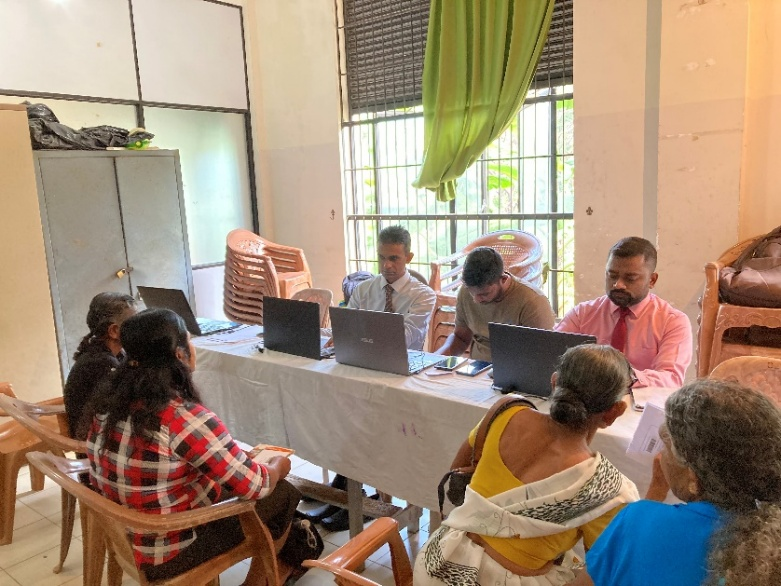
To ensure long-term system sustainability, we implemented a robust training framework tailored to the varied IT literacy levels of the public health workforce. This was not merely software training, but a process of clinical change management. Our team conducted over five targeted onsite training sessions per institution, focusing on role-specific competency:
OPD, Clinic, and Nursing Staff: Focused on consultation workflows, patient triaging, and real-time documentation.
- Radiology and Laboratory Specialists: Specialized sessions on device-to-system data flow and automated reporting.
- Pharmacy and Dispensary Staff: Training on digital prescription reconciliation and inventory synchronization. A critical success factor in this transformation was the Legacy Data Initiative. We recognized that a digital system is only as useful as the historical context it provides. To bridge this gap, we undertook the massive task of digitizing physical records from previous patient visits.
Quantifying the Legacy Data Initiative:
Dambulla Base Hospital: 16 Medical Clinics fully digitized.
- Galnewa and Sigiriya Divisional Hospitals: Clinical data for all medical clinics entered into the system.
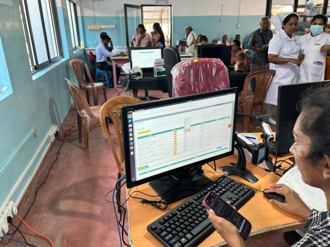
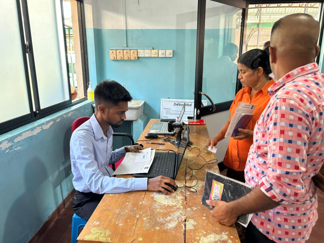
- Thambutthegama Base Hospital: 4 specialized Medical Clinics digitized. This initiative ensures "Continuity of Care" from day one. When a patient arrives for their first system-based consultation, the doctor already has access to historical complaints, diagnoses, and medication histories, transforming the quality of the clinical encounter.
 |
 |
 |
 |
 |
 |
Navigating Implementation Realities: Challenges and Adaptive Solutions
The implementation of high-tech infrastructure in constrained environments involves significant operational hurdles. A Senior Strategist’s role is to pivot through these realities using tactical resilience and manual workarounds where necessary.
The Human Resource & Logistics Challenge: The frequent rotation of medical officers and the deployment of temporary staff created a "discontinuity in proper system usage," which we identified as a strategic risk. To mitigate this, we established a Continuous Orientation Program, providing quick refresher sessions and digital user manuals to ensure the system remained operational despite staff turnover. Furthermore, we must acknowledge Implementation Pending Sites where external factors like construction delays (DH Galewela) or a total lack of internet coverage (DH Katiyawa, DH Handungamuwa, DH Ilukkumbura) currently hold deployment in abeyance. Identifying these gaps allows for targeted infrastructure advocacy with the Ministry of Health.
Quantifying Success: Dashboard Highlights and National Impact
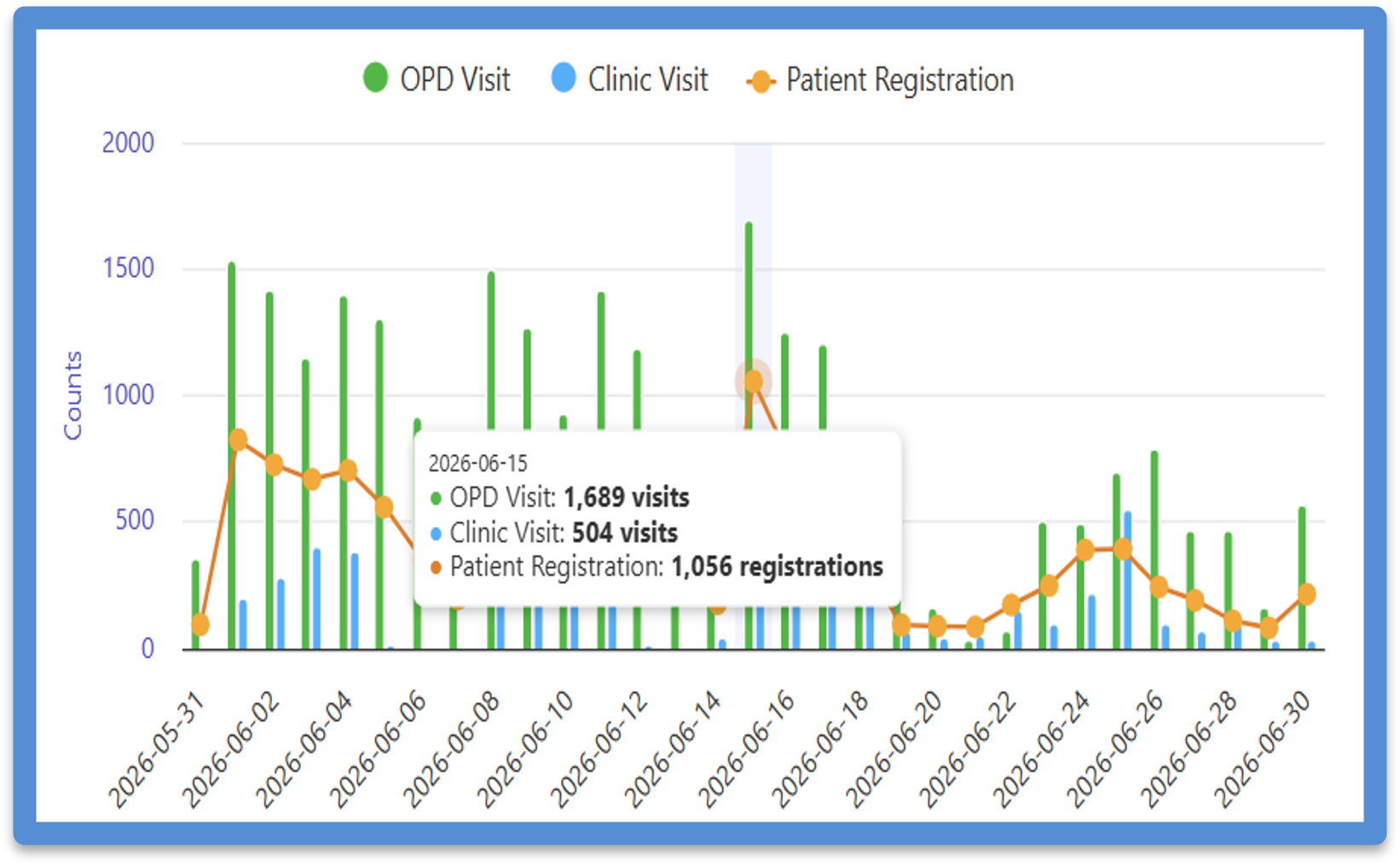
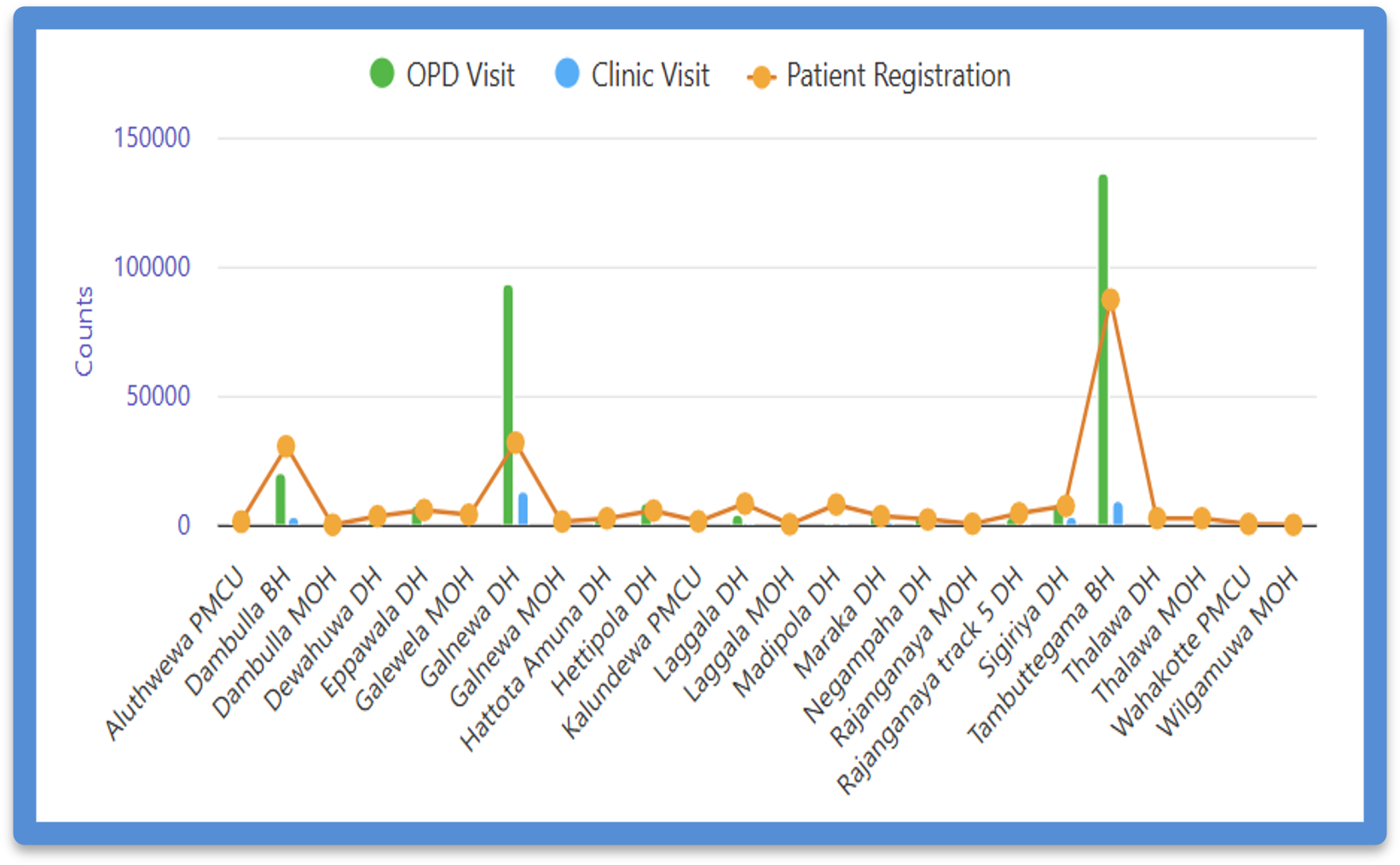
The centralized Dashboard now provides provincial health authorities with the data-driven visibility required for modern health system management. As of mid-2026, the quantitative adoption of the system highlights its deep integration into the regional health fabric:
Total Patient Registrations: 211,146+
- Total OPD Visits: 289,692+
- Total Clinic Visits: 27,859+
 |
 |
These data points are not merely statistics; they are the foundation for achieving National Digital Health Goals:
1. Population Health Analytics: Authorities can now perform diagnosis-specific count analysis to allocate resources and medicine stock effectively.
2. National System Integration: The Cluster IS is designed to feed into broader national systems such as eIMMR and HIMS/HHIMS, ensuring that local data informs national health policy.
3. Patient Safety & Quality: The unified electronic record reduces medication errors and prevents the duplication of costly diagnostic tests.
A Blueprint for the Future of Sri Lankan Healthcare
The transition from manual registers to a unified, ESB-backed Cluster Information System is no longer a "pilot" initiative; it is a proven, battle-tested system solution. This project has demonstrated that digital transformation is achievable in infrastructure-constrained environments when a modular architecture is paired with a robust framework for human capital development. By safeguarding the continuity of care through digitized legacy data and integrating and automating high-end diagnostic devices for radiology and laboratory, we have created a digital ecosystem that prioritizes the patient. Science Land IT (Pvt) Ltd remains committed to this journey of healthcare excellence, providing the technical leadership and strategic vision required to ensure that Sri Lanka’s health system is prepared for the challenges of the 21st century.
Official Recognition and High-Level Endorsement
The successful implementation of the OpenMRS Cluster Health Information System received significant recognition from national health authorities, development partners, and the international digital health community. These endorsements serve as strong validation of the project's contribution to strengthening primary healthcare services and advancing Sri Lanka’s digital health transformation agenda.
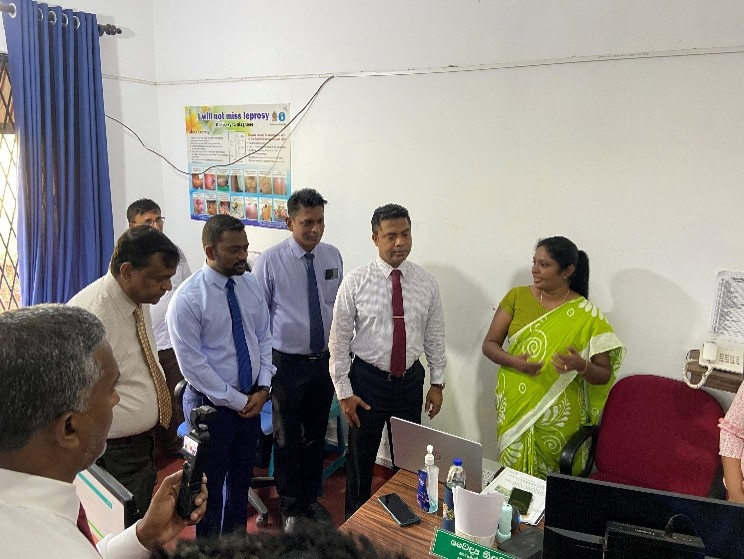
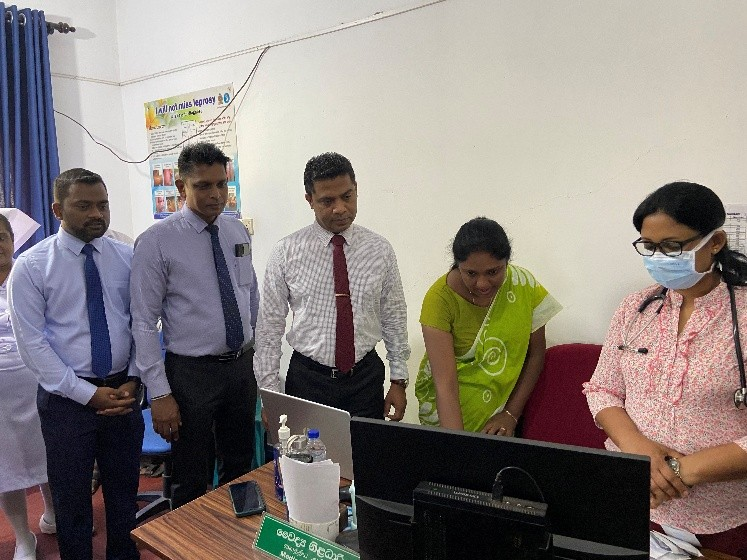
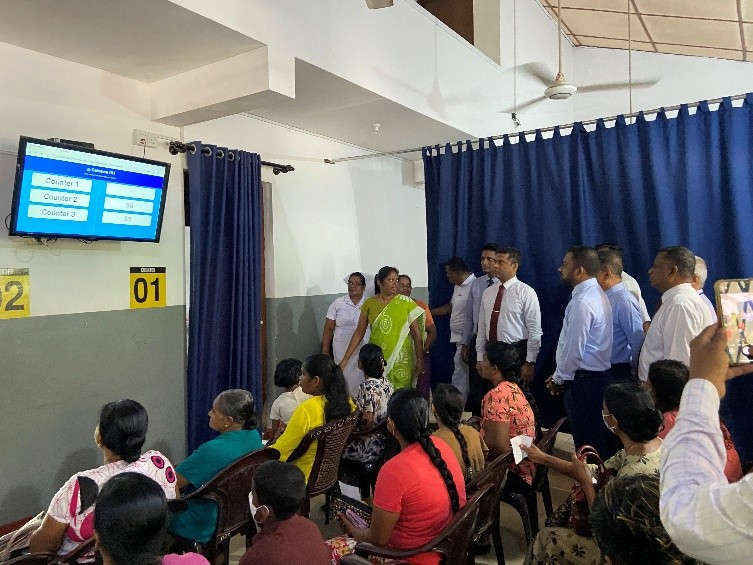
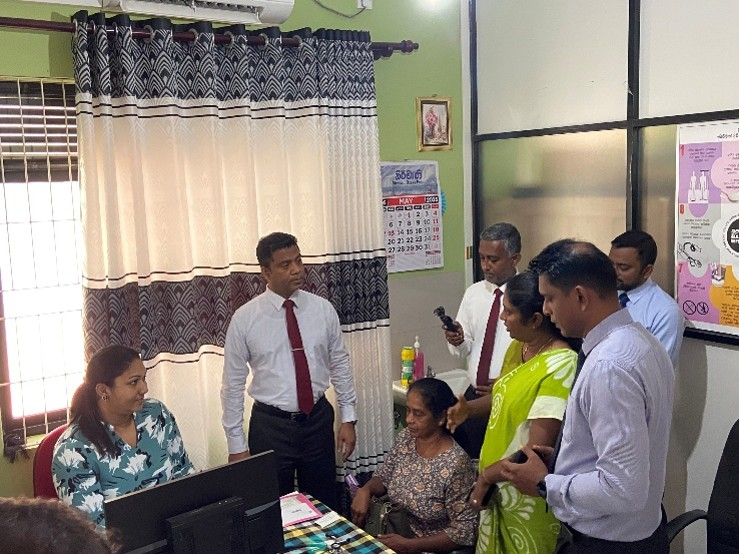
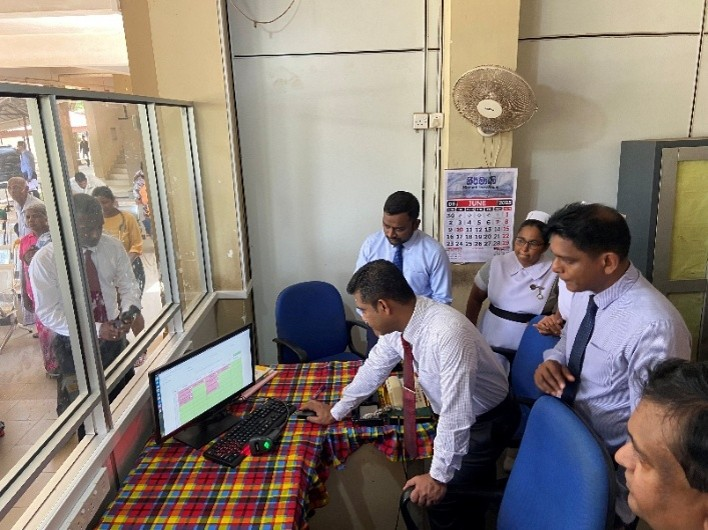
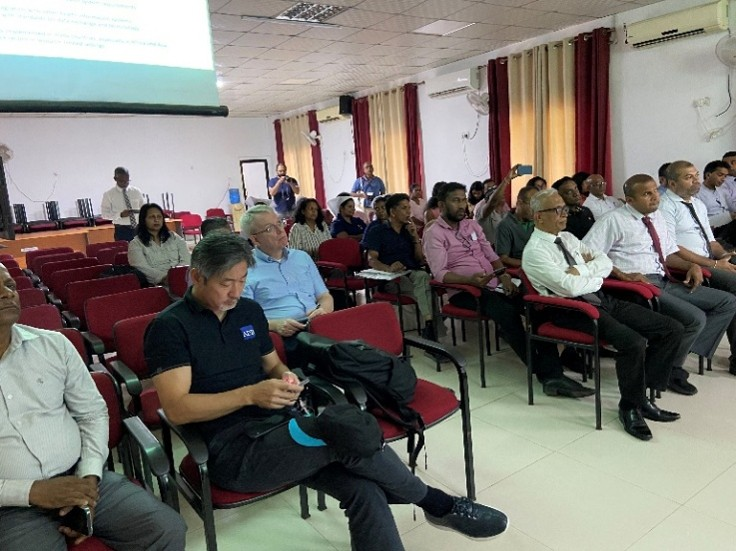
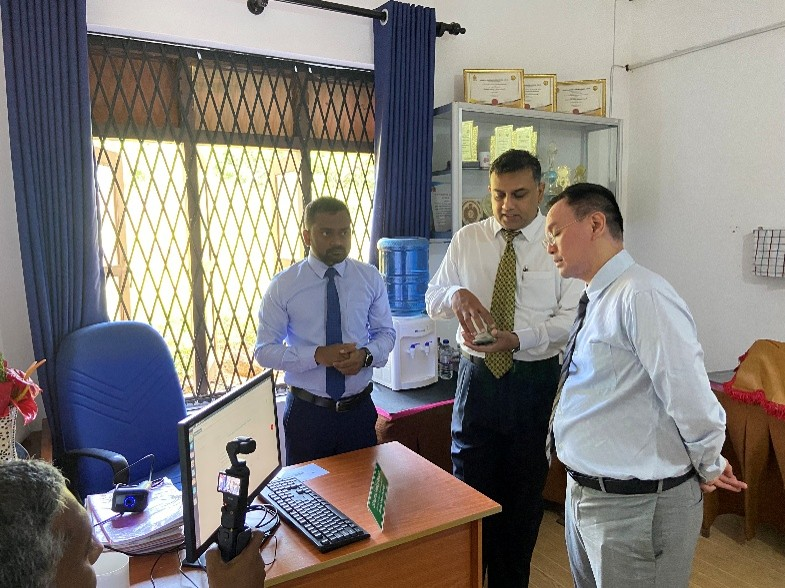
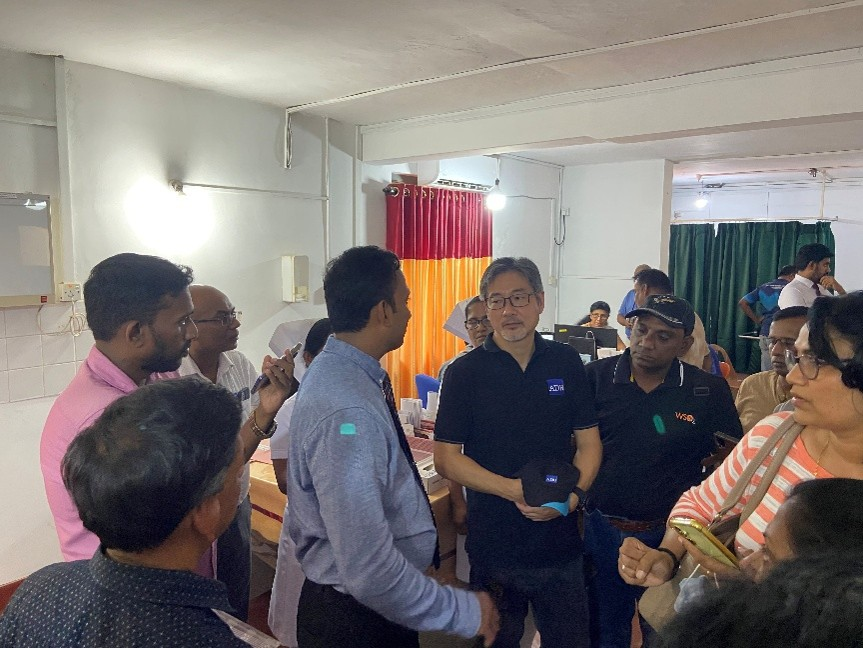
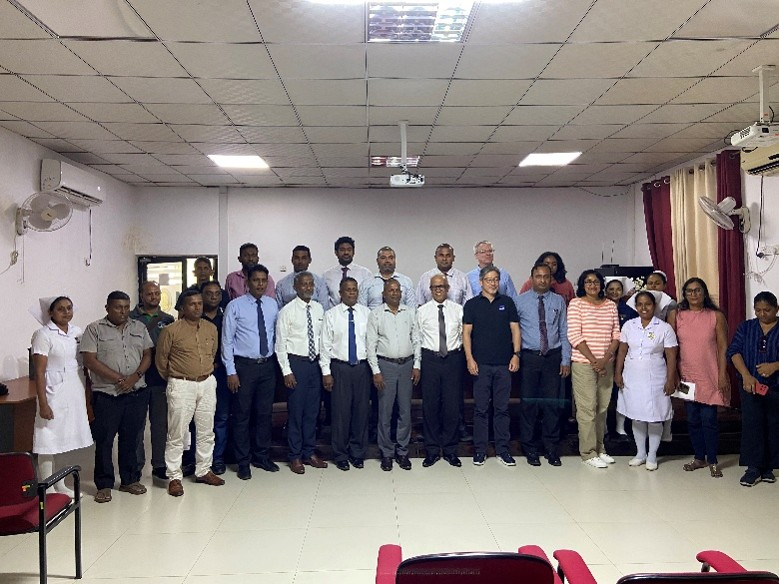
A major milestone was the official visit by the Honorable Minister of Health together with a delegation from the Asian Development Bank (ADB), including Mr. Dai Ling, Health Specialist; Dr. Kumari Nawarathne; Dr. Anil Dissanayake; Dr. Palitha Karunapema; and Mr. Jayasundara. During visits to Galnewa Hospital, Thambuththegama Base Hospital, and the Galnewa MOH Office, the delegation observed the practical use of the Cluster Health Information System in routine clinical operations.
The Honorable Minister witnessed the system being utilized across multiple service points throughout the healthcare facilities and expressed appreciation for the significant progress achieved through the initiative. Particular recognition was given to the project's role in improving patient care, strengthening continuity of care, enhancing clinical efficiency, and supporting evidence-based healthcare management within the cluster model.
ADB representatives also expressed their satisfaction with the quality of the system, the effectiveness of its implementation strategy, and the level of adoption achieved across participating institutions. Special appreciation was received following the review of the Inward Module, where valuable observations and encouraging comments were provided regarding the functionality and future potential of the solution.
Further recognition was received during the subsequent site visit by Mr. Takafumi Kadono, Country Director of the Asian Development Bank, who visited Galnewa and Thambuththegama Hospitals accompanied by a group of journalists. The delegation acknowledged the substantial progress achieved under the Health System Enhancement Project and commended the successful deployment of a fully integrated cluster-based digital health platform.
Beyond Sri Lanka, the project also gained international visibility through participation in the OpenMRS World Conference 2025 held in Uganda. The OpenMRS Cluster Health Information System was presented to a global audience of health informatics professionals, implementers, and development partners. The solution received considerable appreciation from the international OpenMRS community for its innovative cluster-based architecture, interoperability framework, and contribution to strengthening primary healthcare services.
The positive feedback received from the Honorable Minister of Health, senior ADB officials, healthcare administrators, clinical users, and the international OpenMRS community reinforces the success of the initiative and demonstrates its potential as a scalable model for future digital health implementations both within Sri Lanka and in other countries seeking to strengthen primary healthcare through integrated health information systems.
 |
 |
 |
 |
 |
 |
 |
 |
 |